


In the delectable realm of the food industry, the art of food photography serves as a powerful tool for strengthening brand presence and influencing the culinary world. Discover how enticing visuals can captivate audiences, drive engagement, and elevate your brand in the competitive landscape of food and culinary arts.
The Impact of Food Photography on Brand Recognition
The visual presentation of food stands as a powerful tool that has the capacity to captivate and entice. Food photography, in particular, is a significant contributor to the branding and influence within the food industry. With the rise of social media and the ever-increasing reliance on digital platforms for marketing and promotion, the art of food photography has become an integral aspect of culinary businesses' strategies. High-quality food photography is not merely a means of capturing a dish - it is a gateway to engaging with customers on a visual and emotional level. By showcasing appetising and aesthetically pleasing images of their culinary creations, businesses can effectively distinguish themselves and create a brand identity that resonates with their target audience.
In a visually-driven digital landscape, striking food photography can enhance brand recognition, ensuring that a business' offerings are easily identifiable and memorable to potential and existing customers alike. This contributes to the establishment of a strong and consistent brand image, which is crucial for standing out in an industry that is saturated with options. In addition to brand recognition, the influence of food photography is also significant when it comes to consumer behaviour and decision-making. A visually compelling image has the ability to entice and inspire, prompting potential customers to visit a restaurant or purchase a product purely based on the appeal of what they see. Thus, the visual allure created through food photography plays a pivotal role in shaping consumer perceptions and preferences within the food industry.

Masterful Food Photography
To master the art of food photography and create captivating and influential food imagery, it is essential to have the right equipment and tools at your disposal. Here are the key components that contribute to successful food photography:
1. Camera: A high-quality digital camera is a fundamental tool for capturing detailed and sharp images of food. While professional DSLR cameras are commonly used for food photography, many modern smartphones also offer impressive camera capabilities that can produce excellent results.
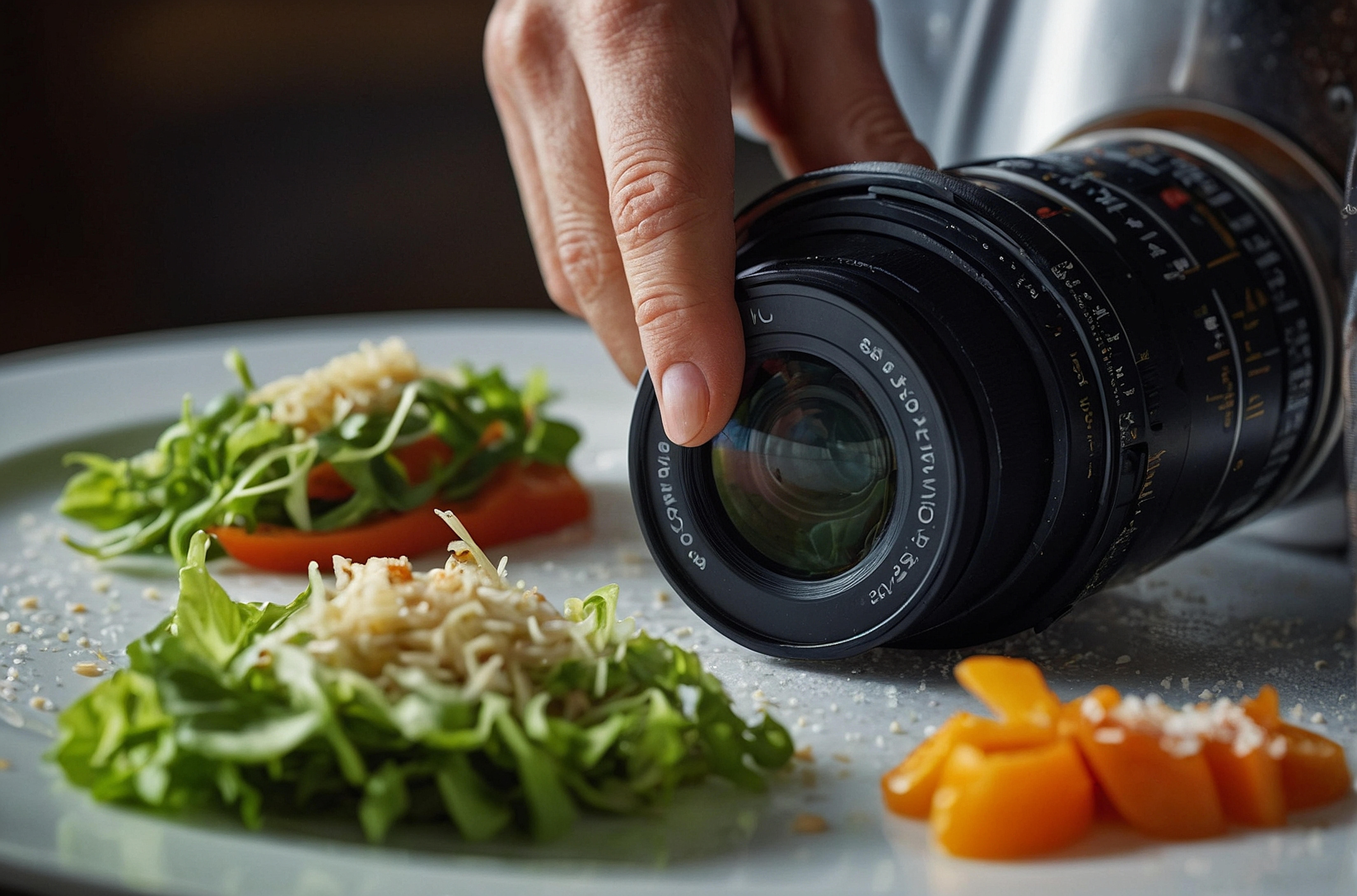
2. Lenses: Different lenses offer varying perspectives and capabilities in food photography. Macro lenses are particularly popular for capturing intricate details and close-up shots of food, while wider lenses can be used to capture entire table settings or surroundings.
3. Tripod: A sturdy tripod is essential for maintaining stability and ensuring sharp images, especially in low-light conditions or when using slower shutter speeds. It also allows for consistent framing and composition when shooting multiple images.
4. Lighting: Proper lighting is crucial in food photography to enhance textures, colours, and overall visual appeal. Natural light is often preferred for its soft and flattering effect, but artificial lighting sources like continuous lights or strobes can also be used to control and manipulate light for desired effects.
5. Modifiers: Light modifiers such as diffusers, reflectors, and softboxes help soften harsh lighting and create a more flattering and balanced illumination of the food. They can be used to control highlights and shadows, resulting in more visually appealing images.
6. Backdrop and Surfaces: Choosing the right backdrop and surfaces for food photography can greatly impact the overall aesthetic of the image. Simple, non-distracting backgrounds like wooden boards, marble slabs, or plain coloured surfaces are commonly used to complement and enhance the food being photographed.
7. Props: Props such as utensils, napkins, herbs, fresh ingredients, or serving dishes can add interest, context, and visual storytelling to food images. They help create a cohesive and inviting scene that resonates with viewers.
8. Editing Software: Post-processing software like Adobe Lightroom or Photoshop allows for fine-tuning of images, adjusting colours, brightness, contrast, and composition to achieve the desired look and feel for the final photographs.
Lighting Strategies
Mastering the art of lighting in food photography is a transformative skill that can elevate the visual appeal of culinary imagery and significantly impact brand recognition within the food industry. The nuances of lighting strategies play a pivotal role in highlighting the textures, colours, and details of food, creating a sensory experience that resonates with viewers. Whether it's the soft, diffused glow of natural light accentuating the freshness of ingredients or the carefully sculpted artificial lighting adding depth and drama to a dish, understanding the interplay of light and shadows is essential for creating captivating and mouthwatering food imagery.
The strategic use of lighting not only enhances the aesthetic appeal of food photographs but also communicates the mood and ambiance associated with the culinary creations. From creating a cosy and inviting atmosphere for comfort foods to infusing a sense of sophistication and elegance for gourmet dishes, the artful manipulation of light can evoke an emotional response and establish a strong visual identity for a brand within the competitive food industry. By illuminating the art of lighting in food photography, businesses can distinguish themselves, captivate audiences, and ultimately influence consumer perceptions and preferences.
Enhancing Culinary Visuals
Unlocking the potential of post-processing techniques in food photography is a powerful way to refine and enhance culinary visuals, ultimately maximising their impact and recognition. Through post-processing, photographers can employ a range of techniques such as colour correction, image manipulation, and fine-tuning to elevate the visual appeal of food imagery. This process allows for the enhancement of colours, textures, and overall composition, ensuring that the culinary creations are presented in the most appetising and enticing manner.
Colour correction is one of the key aspects of post-processing that enables food photographers to fine-tune the hues, saturation, and white balance of their images, ensuring that the colours accurately represent the true essence of the dishes. Image manipulation techniques can be utilised to remove imperfections, adjust lighting, and emphasise specific elements within the frame, resulting in polished and captivating visuals that align with the brand's aesthetic.
Establishing a Distinct Visual Brand Identity through Food Photography
The artful curation of culinary visuals plays a pivotal role in establishing a distinct and recognisable visual brand identity within the food industry. The way food is presented and showcased through photography directly influences how a brand is perceived by consumers. By thoughtfully curating and crafting images that reflect the brand's ethos, values, and unique selling points, businesses can create a visual narrative that sets them apart from competitors and resonates with their target audience.
The careful selection of styling elements, props, lighting techniques, and composition all contribute to shaping the brand's visual identity through food photography. Consistency in visual storytelling, colour palettes, and overall aesthetic helps to reinforce brand messaging and create a cohesive brand image that consumers can easily recognise and associate with the business. Whether it's through the use of certain textures, colours, or thematic elements, the artful curation of culinary visuals allows brands to convey their personality, quality, and values, ultimately fostering a strong connection with consumers and building brand loyalty within the competitive landscape of the food industry.
Mastering the art of food photography is an indispensable tool for enhancing brand recognition and influence in the culinary world. By leveraging the captivating potential of enticing visuals, your brand can drive engagement, elevate its presence, and leave a lasting impression in the competitive and visually-driven landscape of the food industry. Embrace the art of food photography to strengthen your brand's foothold in the culinary world and influence audiences through the lens.
